Melanotan-2 is an unapproved synthetic peptide that sellers often promote as a tanning aid. It may darken skin, but its safety, purity, and long-term effects remain uncertain.
What Is Melanotan-2?
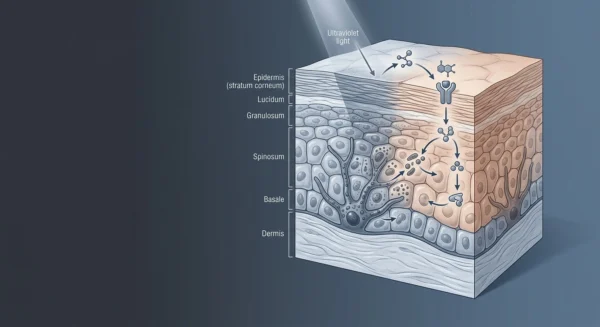
The compound mimics alpha-melanocyte-stimulating hormone, which helps regulate skin pigmentation. It activates several melanocortin receptors rather than targeting pigmentation alone.
This broad activity can affect appetite, sexual function, and other body processes. Researchers have studied these effects, but health authorities have not approved the peptide for cosmetic tanning.
How People Use It
People typically encounter Melanotan-2 as an injectable product or nasal spray sold online. These products may include unclear instructions and unsupported claims about tanning or weight loss.
No regulator verifies the contents of many online formulations. As a result, the stated dose and ingredients may not match what the product contains.
Known Side Effects and Health Risks
Reported short-term effects include nausea, facial flushing, reduced appetite, fatigue, and headache. The compound can also cause spontaneous erections.
Prolonged or painful erections require urgent medical care because they can damage tissue. People have also reported darker freckles and moles after use.
Medical literature includes case reports of new or changing moles and melanoma diagnoses following exposure. These reports do not prove that the peptide causes melanoma, but they support careful skin monitoring.
Risks Linked to Injections
Injecting any unregulated product adds further hazards. Contaminated needles or solutions can cause skin infections, abscesses, and blood-borne disease transmission.
Incorrect mixing or storage may also change a product’s concentration. That makes accidental dosing errors more likely.
A Tan Does Not Provide Reliable Sun Protection
Darker skin after using a tanning peptide does not prevent ultraviolet damage. UV exposure can still cause sunburn, premature skin aging, eye damage, and skin cancer.
Use broad-spectrum sunscreen, protective clothing, shade, and sensible exposure limits. Do not increase sunbed use or outdoor UV exposure to deepen a tan.
Legal and Regulatory Status
The US Food and Drug Administration has not approved this compound as a tanning treatment. Regulators in the United Kingdom, Australia, and other countries have also warned consumers about unapproved tanning products.
Melanotan-2 differs from afamelanotide, a prescription medicine used for a rare light-sensitivity disorder in certain jurisdictions. Approval of afamelanotide does not establish the safety of online tanning peptides.
When to Seek Medical Help
Contact a clinician if you notice a new mole or changes in a mole’s shape, border, color, or size. A dermatologist can examine the area and decide whether it needs testing.
Seek urgent care for breathing difficulty, severe vomiting, fainting, chest pain, or a prolonged painful erection. If you have already used an injectable product, tell the clinician what you took and when.
Making a Safer Decision
Using Melanotan-2 involves uncertain dosing, unverified ingredients, and potentially serious side effects. Discuss tanning concerns or skin changes with a qualified healthcare professional instead of relying on an unregulated product.