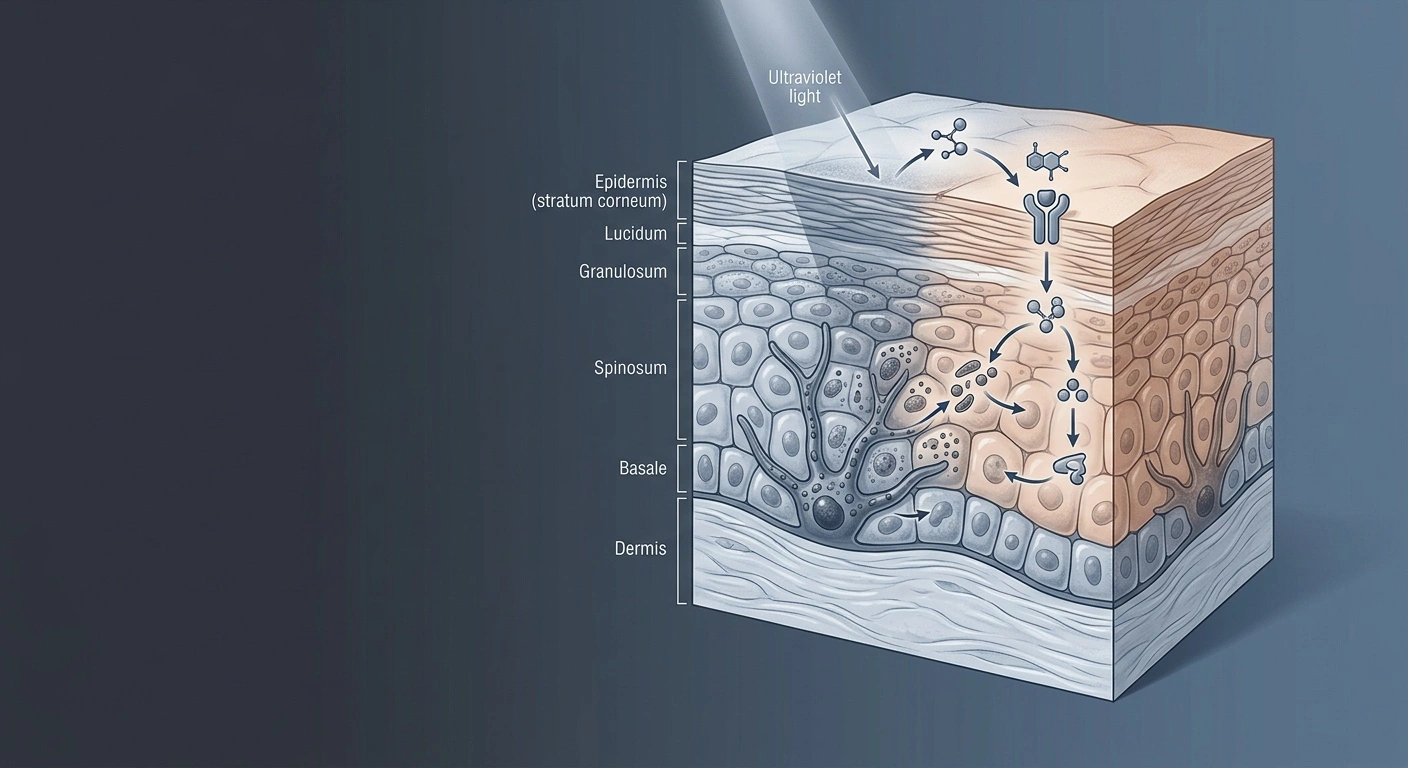
Melanotan-1 is a synthetic peptide modeled on alpha-melanocyte-stimulating hormone, a hormone involved in skin pigmentation. Researchers developed it to stimulate melanin production and study its effects on light sensitivity.
Online sellers often market the peptide as a tanning product. However, these products may lack regulatory approval, reliable dosing, and verified manufacturing standards.
What Is Melanotan-1?
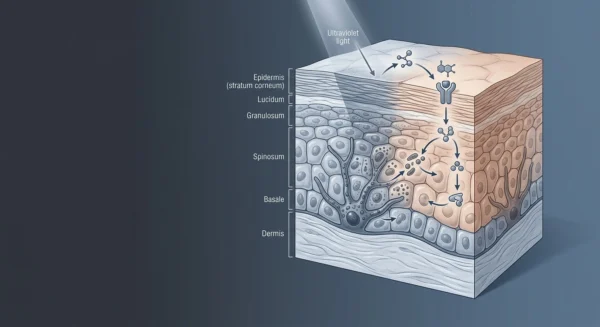
The peptide activates melanocortin receptors that signal pigment-producing cells called melanocytes. This process can increase melanin, the pigment that helps determine skin color.
People sometimes confuse this compound with melanotan II. The two peptides have different structures, receptor activity, and reported side effects.
How It Differs From Afamelanotide
Afamelanotide is a related prescription medicine sold under the brand name Scenesse. Regulators have approved it for specific patients with erythropoietic protoporphyria, a rare disorder that causes severe light sensitivity.
Clinicians administer afamelanotide as a controlled implant under medical supervision. That approval does not apply to unregulated Melanotan-1 products sold online for tanning.
Safety Risks and Side Effects
Reported effects include nausea, headaches, facial flushing, fatigue, and darkening of freckles or moles. Product contamination and inaccurate dosing create additional risks.
Changes in existing moles also require medical attention. A dermatologist can assess new, darkening, irregular, or rapidly changing skin lesions.
Unregulated Injections and Nasal Sprays
Unapproved injections can expose users to bacteria, incorrect ingredients, and unsafe concentrations. Sharing needles also raises the risk of blood-borne infections.
Nasal sprays do not eliminate concerns about purity or dosing. Labels from unregulated suppliers may not accurately describe their contents.
Does It Protect Against Sun Damage?
More pigment does not make ultraviolet exposure safe. A tan indicates that the skin has responded to UV radiation or another pigment-stimulating signal.
Use broad-spectrum sunscreen, protective clothing, and shade to reduce UV exposure. Avoid tanning beds, which increase the risk of skin cancer and premature skin aging.
What to Consider Before Using Melanotan-1
Discuss any peptide product with a licensed clinician before use. This step matters if you take medication, have changing moles, or have a history of skin cancer.
Do not treat products from research chemical websites as approved medicines. Their strength, sterility, and ingredients may differ from the label.
A Safer Approach to Tanning
Topical self-tanners containing dihydroxyacetone can darken the outer skin without UV exposure. They do not provide meaningful sun protection, so sunscreen remains necessary.
Medical advice should come from a qualified clinician who knows your health history. Seek prompt care for severe reactions or suspicious skin changes.