Interest in SARMs peptides safety has skyrocketed among fitness enthusiasts, solo travelers, and active families seeking performance-enhancing solutions. From biohackers to professional athletes, compounds like Selective Androgen Receptor Modulators (SARMs) and therapeutic peptides promise benefits such as muscle growth, fat loss, faster recovery, and improved cognition. Whether you’re exploring hiking trails in Sedona or juggling a family wellness regimen in Boulder, understanding how these substances work—and their potential risks—is essential for making informed health choices.
What Are SARMs and Peptides? Understanding the Basics
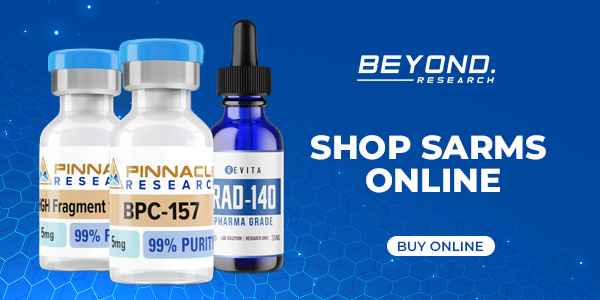
SARMs, or Selective Androgen Receptor Modulators, are compounds engineered to stimulate androgen receptors in muscle and bone tissue, supporting lean mass development without the broader side effects associated with traditional anabolic steroids. Popular SARMs include Ostarine (MK-2866), Ligandrol (LGD-4033), and RAD-140. Unlike steroids, SARMs aim to target specific tissues, reducing unwanted side effects on organs like the liver or prostate.
Peptides are short sequences of amino acids that serve as messengers in various biological processes. Therapeutic peptides such as BPC-157 (wound healing), TB-500 (endurance and anti-inflammation), and CJC-1295 with Ipamorelin (hormone stimulation) are commonly used by athletes and wellness-focused individuals. These bioactive compounds support natural recovery, making them attractive to both competitive athletes and family adventurers tackling outdoor activities.
A foundational understanding of these compounds helps clarify the complex topic of SARMs peptides safety. Although promising, these substances vary greatly in functionality, legality, and risk based on how and where they’re used.
Are SARMs and Peptides Legal? Navigating Regulation
The legality of SARMs and peptides remains a complex, often confusing topic. In the U.S., SARMs are not approved by the FDA for human use outside clinical studies. However, they’re frequently marketed as “research chemicals” and sold online or in supplement shops in cities like Miami or Austin, often without regulatory oversight or purity guarantees.
Peptides fall into a similarly grey area. Some medically-approved peptides (like insulin) are regulated and widely used, while many performance-enhancing peptides lack FDA approval and standardized quality assurance. In wellness hubs such as Asheville or San Diego, clinics may offer peptide therapies, but not all providers ensure pharmaceutical-grade products or medical supervision during administration.
To ensure SARMs peptides safety, travelers and locals alike should seek reputable sources. Whether attending a fitness retreat in Sedona or browsing vendors at a Las Vegas fitness expo, look for sellers who offer third-party lab results, complete ingredient transparency, and physician oversight.
Side Effects and Safety Profiles
While SARMs are often promoted as safer alternatives to anabolic steroids, side effects can still be substantial. Common side effects include:
- Liver toxicity, especially with high doses or stacked protocol use
- Suppression of natural testosterone levels
- Hormonal imbalance requiring post-cycle therapy (PCT)
- Mood disturbances such as aggression, anxiety, or depression
Peptides generally have a more favorable safety profile, especially when administered under professional guidance. Still, users may experience:
- Irritation or infection at injection sites
- Increased water retention
- Appetite changes or blood sugar fluctuations
- Temporary joint stiffness, particularly in users with chronic issues
For active individuals—like hikers in the Rockies or solo travelers exploring Zion Canyon—unexpected side effects such as fatigue or mood swings could impair both physical performance and decision-making. For this reason, understanding SARMs peptides safety means considering how these substances interact with your lifestyle and environment.
Counterfeits and Mislabeling: Hidden Dangers
One of the gravest threats to SARMs peptides safety is the risk of counterfeit or contaminated products. A 2017 study by JAMA revealed that over half of SARMs products purchased online contained either undisclosed substances or incorrect labeling. In some cases, the active ingredient wasn’t even present.
Peptides are vulnerable to the same issues—especially when sourced internationally or through non-regulated vendors. Mislabeling and impure formulations pose significant health risks, particularly when the buyer lacks access to professional evaluations or lab-grade equipment.
Travelers visiting countries with different regulations—such as Costa Rica or Indonesia—face added risks due to language barriers and inconsistent quality control. Even within the U.S., locals in wellness-forward neighborhoods like Denver’s Capitol Hill or North Park in San Diego often rely on trusted word-of-mouth networks to identify safe clinics and suppliers. A smart tip: ask for recommendations at local farmer’s markets, health food stores, or boutique gyms where safety-conscious communities exchange vetted information.
Practical Guidelines for Safe Use
While risks exist, incorporating responsible practices can improve SARMs peptides safety for users committed to health goals. Consider implementing these safety strategies:
- Consult a licensed healthcare provider, especially if managing an existing condition or on prescription medications.
- Choose sources that provide certificates of analysis or third-party lab verification for product purity.
- Begin with minimal effective doses and track your body’s responses using a wellness journal or health tracking app.
- Follow recommended cycling protocols and undergo proper PCT when using SARMs.
- Work with medical professionals who embrace a holistic approach, incorporating nutrition, mobility, and recovery practices into your regimen.
Whether kayaking the Hudson or biking along Napa Valley, it’s best to avoid starting a new compound during physically demanding travel. Begin any new therapy at home, where routines are consistent and professional support is readily available.
Real-Life Examples of Safe Use
In Austin, Texas, many fitness professionals manage peptide protocols with clinical guidance. For example, local clinics frequently use BPC-157 for recovery or CJC-1295 to optimize hormonal health. Sarah, a 38-year-old mountain biking instructor based in Flagstaff, Arizona, used TB-500 under naturopathic supervision to recover from repetitive joint strain. Her treatment successfully reduced inflammation while preserving her active guiding schedule.
Michelle, a yoga teacher and mother from Sarasota, Florida, cautiously incorporated low-dose Ostarine into her routine during a medically-resolved muscle-building program. With support from a hormone specialist, she experienced better energy and less post-workout fatigue, helping her stay active during long teaching days and busy weekends with her kids.
These success stories emphasize the importance of oversight, education, and commitment to SARMs peptides safety. Responses vary by individual, so the best outcomes come from personalized plans anchored in transparency and ongoing monitoring.
Empowered Decisions Start with Knowledge
As SARMs and peptides gain traction in wellness and performance circles, their appeal continues to grow among health-focused families, biohackers, and adventure athletes. But increased interest must be matched with caution. Making smart decisions involves researching legality, screening product quality, and working with certified professionals who understand your unique body and life goals.
With the right guidance, understanding SARMs peptides safety becomes less of a challenge and more of a long-term investment in well-being. No matter your goal—improving athletic recovery or simply staying active into midlife—clarity, curiosity, and informed choices are the critical ingredients that make supplementation safe and effective.